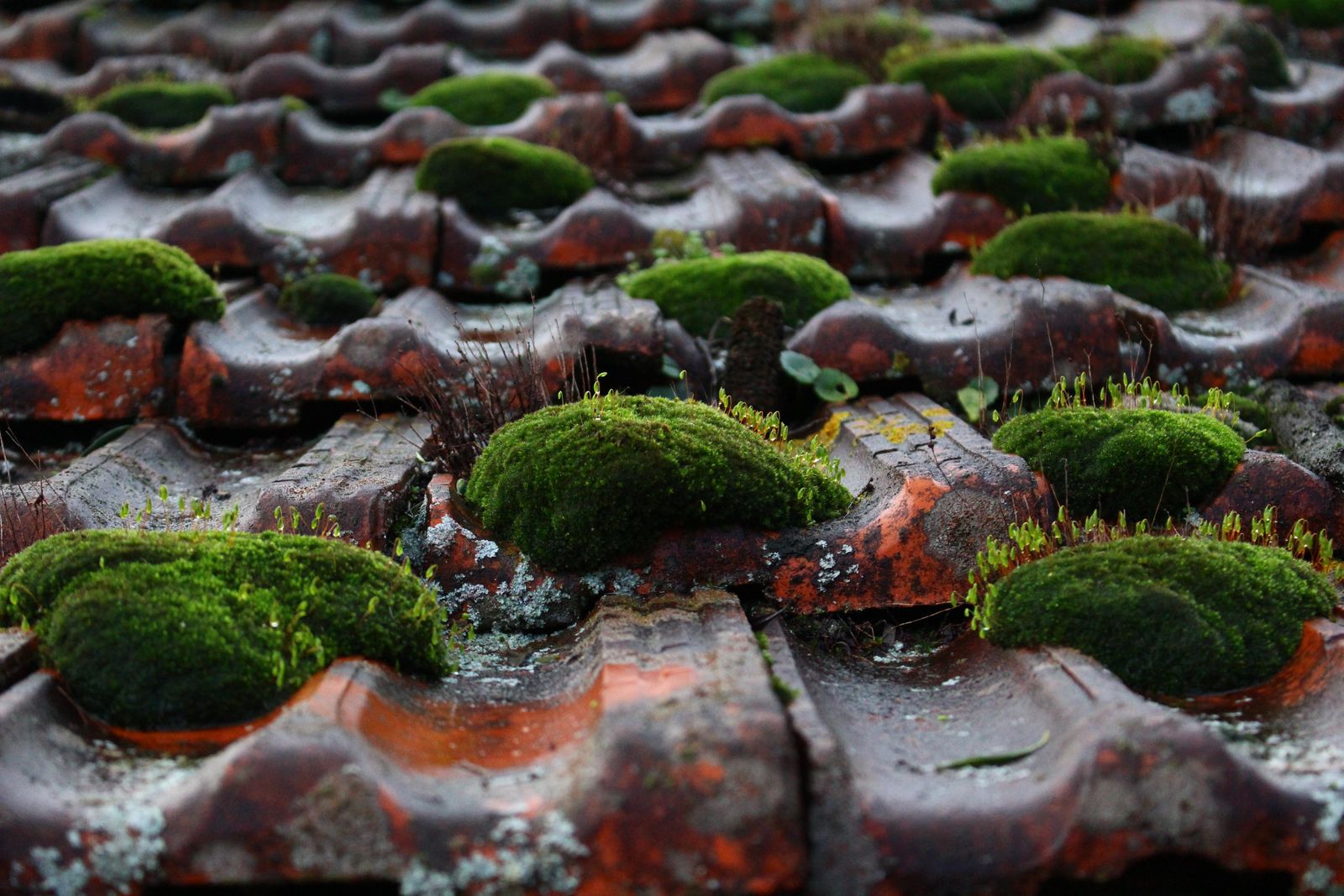
A moss treatment can continue changing the roof's appearance after the cleaning visit. The timetable depends on the named product and process; it should be agreed before work starts. Leaks, displaced tiles and blocked drainage need separate attention.
What should change on the day?
A quotation should separate the work completed during the visit from changes expected afterwards. If physical moss removal is included, agree which slopes will be cleared and how debris will be collected. If a treatment is included, record its name, the application date and what the provider expects to remain visible at handover.
Before-and-after photographs are more useful when they show the same roof slope, a comparable angle and the time between photographs. A photograph taken months after treatment should not be presented as a same-day result. Take any photographs only from a safe position on the ground.
- Keep the written scope and the final invoice together.
- Record any areas excluded, inaccessible or awaiting a separate visit.
- Ask for a written review date and a named contact for follow-up.
How long can a moss treatment take to show results?
Treatment and visible removal are different stages. The treatment supplier AlgoClear describes an example in which dark staining starts to change after around three weeks, with a more obvious change after roughly three or four months; some lichen can remain longer. Those are that supplier's expectations for its process, not a promise for every product or roof.
A partly changed appearance soon after a treatment therefore does not, by itself, establish failure. Compare the roof against the written timetable for the actual product and process. Equally, a slow-cleaning explanation should not be used to dismiss work that was expressly promised for completion during the visit.
What if it rains after the roof is treated?
Ask the provider about the product actually used. The required application conditions and the role of later weathering are separate questions. Avoid applying one company's rain-free period to a different treatment.
Keep the treatment date and the approximate time of the rain, then ask the provider whether the conditions met the product instructions and whether a review is needed. Do not add another chemical or rinse the roof yourself in an attempt to correct the result. The provider should also explain any precautions for gardens, ponds, drainage or rainwater collection at your property.
For a future booking, ask who decides whether the weather is suitable and what happens if the appointment must move. A fixed calendar date does not establish suitable conditions for every roof or product.
How long will the roof stay clear of moss?
There is no single moss-free period that applies to all roofs. Marley identifies shade, nearby trees and roof pitch among the conditions that influence growth. Two slopes on the same house can have different exposure.
The Roof Tile Association's 2016 guide discusses approximately two to three years of control for successful proprietary wash treatments. Treat this as general guidance from that document, not a guarantee, a recommendation for a particular product or a scheduled treatment interval for your roof.
Ask the provider to distinguish an expected appearance, a maintenance recommendation and a contractual guarantee. If a guarantee is offered, get its duration, exclusions, remedy and any required follow-up visits in writing.
Marley: conditions associated with moss growth · Roof Tile Association: maintenance guidance, July 2016 (PDF).
What should you check afterwards?
Use ground-level observations and the agreed handover record. Check whether the gutters and downpipes were included in the clean, whether removed debris was collected and whether a later clearance visit was included or separately priced. Our gutter-cleaning guide explains the difference between internal clearance, external washing and repairs.
A leak, a displaced tile or overflowing drainage should be raised promptly with the relevant professional; it is a separate issue from waiting for staining to weather away. Do not climb onto the roof to inspect progress. The HSA advises treating roof materials as fragile unless a competent person confirms otherwise.
Keep a useful follow-up record
A short record helps both you and the provider discuss the same result. Keep these six items:
- The date of the work and which slopes were included.
- The cleaning stages and treatment product named in the quotation.
- Safe ground-level photographs, dated and taken from the same position.
- The expected review date and any promised follow-up visit.
- Any observed drainage problem or change in the roof condition.
- The provider's reply and any agreed next action.
If you are still choosing a provider in Limerick, add your expected result and follow-up questions to your project brief. You can copy or download the brief without entering contact details. The quote comparison tool helps you check whether two quotations include the same stages.
Questions, answered.
Should a treated roof look completely clean straight away?
Not necessarily. The quotation should distinguish physical removal completed during the visit from later changes expected from a named treatment. Compare the result with that written scope and timetable.
Is a fixed moss-free guarantee standard for every roof?
No universal period can be inferred from a product example. If a provider offers a guarantee, ask for its exact terms, exclusions and remedy in writing.
Should I climb up to check whether the treatment worked?
No. Use observations and photographs from a safe ground-level position, and ask a competent professional to investigate anything that cannot be assessed that way.