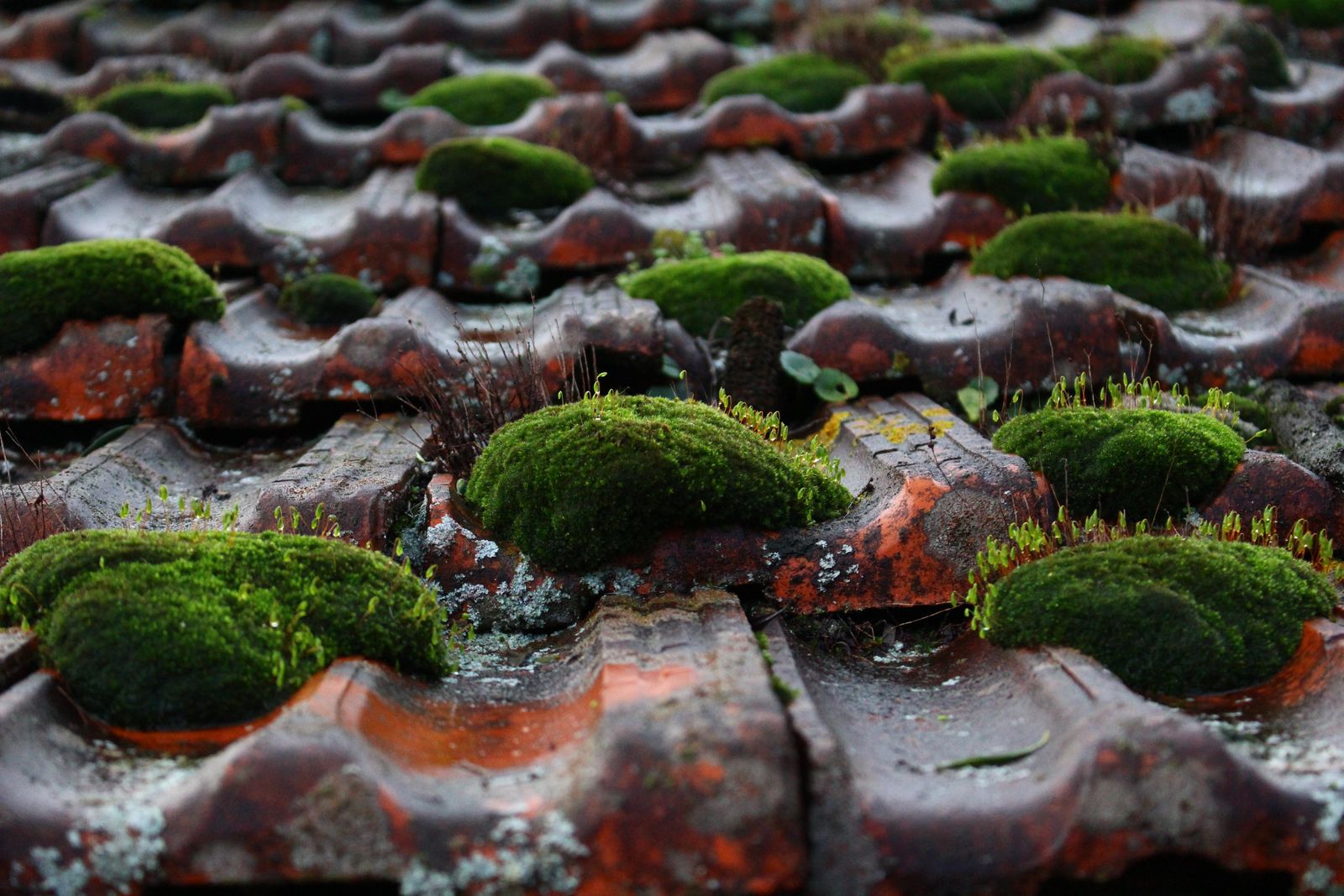
A method name is not enough to establish that a roof can be cleaned safely. The covering, age, condition, access and exact product instructions matter. This guide helps you ask informed questions; it does not prescribe a treatment for a roof that has not been assessed.
Does the moss need removing?
Light growth is not automatically a defect. Marley explains that moderate moss or lichen is normally not harmful, while heavier build-up may interfere with drainage. Cosmetic improvement, blocked drainage and a suspected leak are different reasons for enquiring. Report what you see rather than assuming cleaning will fix a roof problem.
Compare the process, not just the label
Ask a contractor to explain each stage and how it fits the identified roof covering. Methods may be combined, but an attractive before-and-after result does not demonstrate suitability for your own roof.
| Decision | What to confirm with the contractor |
|---|---|
| Material | Identify the covering, its condition and any existing coating. Ask which manufacturer instructions apply. |
| Objective | Is the aim appearance, moss removal or clearing blocked drainage? A suspected leak needs a separate assessment. |
| Method | Does the quote cover physical removal, a named treatment, or both? Confirm suitability, safe access, runoff protection and gutter clearance. |
| Timing | What should change on the day, and what may improve later? Ask whether a follow-up visit is included. |
If a biocide is proposed, ask for its name, registration number and permitted use. Check the current Irish biocidal product registers, including any use-up date, and the product instructions. A register entry alone does not establish compatibility with your roof.
Manufacturer guidance can differ
Cedral's Irish roof-care guidance advises against high-pressure cleaners and chemical agents. Marley also cautions against high-pressure washing and describes risks from foot traffic and cleaning methods. Do not treat a contractor's general claim that soft washing is safe for all roofs as a substitute for the instructions for the actual covering.
Match the proposal to the roof covering
A material name narrows the questions; it does not approve a cleaning method. Ask the provider to identify the product and its condition before agreeing to work.
| Covering | What the evidence helps establish | What to clarify before work |
|---|---|---|
| Concrete or clay tiles | Marley advises against high-powered jet washing. The Roof Tile Association also cautions against high-pressure cleaning of concrete tiles. | The tile maker, age, surface condition, existing damage and the guidance supporting the proposed process. |
| Natural slate | CUPA distinguishes the durability of the slate itself from maintenance of the whole roof, including deposits and drainage. | The slate product, fixings, roof condition and the specific supplier's cleaning guidance. Do not assume advice for a slate-looking tile applies. |
| Fibre-cement slate | Cedral's Irish care guidance advises against high-pressure cleaners and chemical agents. | Whether the product is identified and whether the maker accepts the proposed method. For an unknown older material, resolve its identity before disturbance. |
| Unknown or previously coated covering | A photograph alone does not establish the complete product history. | Records of the covering and any coating, followed by a competent assessment. An initial estimate should explain what remains unconfirmed. |
Marley guidance · Roof Tile Association guide, July 2016 (PDF) · CUPA natural slate guide (UK) · Cedral Ireland care guidance.
- Flag broken tiles, loose slates, failing pointing or a known leak separately.
- If the material may contain asbestos, seek a competent assessment before disturbing it.
- Keep solar-panel cleaning or work around panels separate in the scope.
Keep the inspection on the ground
Do not climb onto the roof to prepare an enquiry. The Irish Health and Safety Authority advises treating roofing materials as fragile unless a competent person confirms otherwise. Provide observations and photos only from a safe position, and ask the contractor how access and protection will be managed.
What to ask about the result
Ask whether the quoted process removes visible material immediately or includes a treatment whose appearance changes over time. Get any stated timescale, follow-up visit and guarantee conditions in writing. We do not give a universal moss-free period: exposure, the covering and the agreed process can differ.
Our treatment times and aftercare guide separates the handover, later weathering and follow-up review. When comparing proposals, use the quote comparison tool to record what each provider promises at each stage.
Questions, answered.
Is soft washing safe for every roof?
No universal assurance is appropriate. Low application pressure does not establish chemical compatibility or the condition of the covering. Ask for the exact method and the relevant manufacturer's instructions.
Will roof cleaning fix a leak?
Cleaning is not a repair service. A leak or damaged roof covering should be assessed separately, even if moss or debris is also present.
Can I remove moss myself to reduce the quote?
Do not access or disturb the roof to prepare an enquiry. Discuss the observations you can make safely from the ground and let a competent professional assess access and the appropriate work.
How quickly should I see a result after moss treatment?
The answer depends on the product and the agreed process. Physical removal and later changes from a treatment should be described separately. Our aftercare guide explains how to agree a timetable and keep a useful follow-up record. Read the aftercare guide.